


Most homeowners pick a window material based on how it looks in a showroom. That is a reasonable starting point. It is not a complete one.
Appearance is only part of the picture. How a window handles Singapore’s heat, ambient noise, and long-term wear matters just as much, and uPVC and aluminium approach all three differently.
What Is the Difference Between uPVC and Aluminium Windows?
uPVC and aluminium are the two dominant window frame materials for landed residential properties in Singapore. Both are durable, widely available, and suited to the local climate. The difference between uPVC and aluminium windows lies in what each material prioritises.
uPVC is a dense, non-resonant material. It absorbs sound rather than transmitting it, resists heat transfer, and requires almost no maintenance over its lifespan. Aluminium is structurally stronger, supports larger glass spans, and achieves slimmer frame profiles that suit a more architectural aesthetic.
Neither is the universally better choice. The right material depends on the room, the design brief, and the windows themselves.
Design and Appearance
Aluminium has a clear aesthetic advantage for homeowners who want a modern, architectural look. The frame profiles are slimmer, the sightlines are cleaner, and the overall result reads as more refined. For floor-to-ceiling glazing or large-span openings, aluminium is the natural fit.
uPVC frames are thicker by comparison. That difference is visible, and for some homeowners, it is a drawback. For others, the profile suits the character of the home, particularly in properties with a more classical or traditional design language.
Insulation and Everyday Comfort
This is where uPVC windows hold a clear advantage. The material is naturally non-resonant, which means it absorbs vibration rather than amplifying it. Paired with laminated glass and compression seals, a uPVC window functions as a complete acoustic system. For bedrooms, home offices, or any room facing a busy road, that performance is meaningful.
Singapore’s heat adds a second layer to the insulation question. uPVC has lower thermal conductivity than aluminium, which helps keep indoor temperatures manageable without placing the full burden on air conditioning.
Aluminium can still perform well thermally, particularly with a thermally broken frame, but the material conducts heat more readily than uPVC. For homeowners where comfort is the primary driver, uPVC is the stronger choice.
Durability and Maintenance
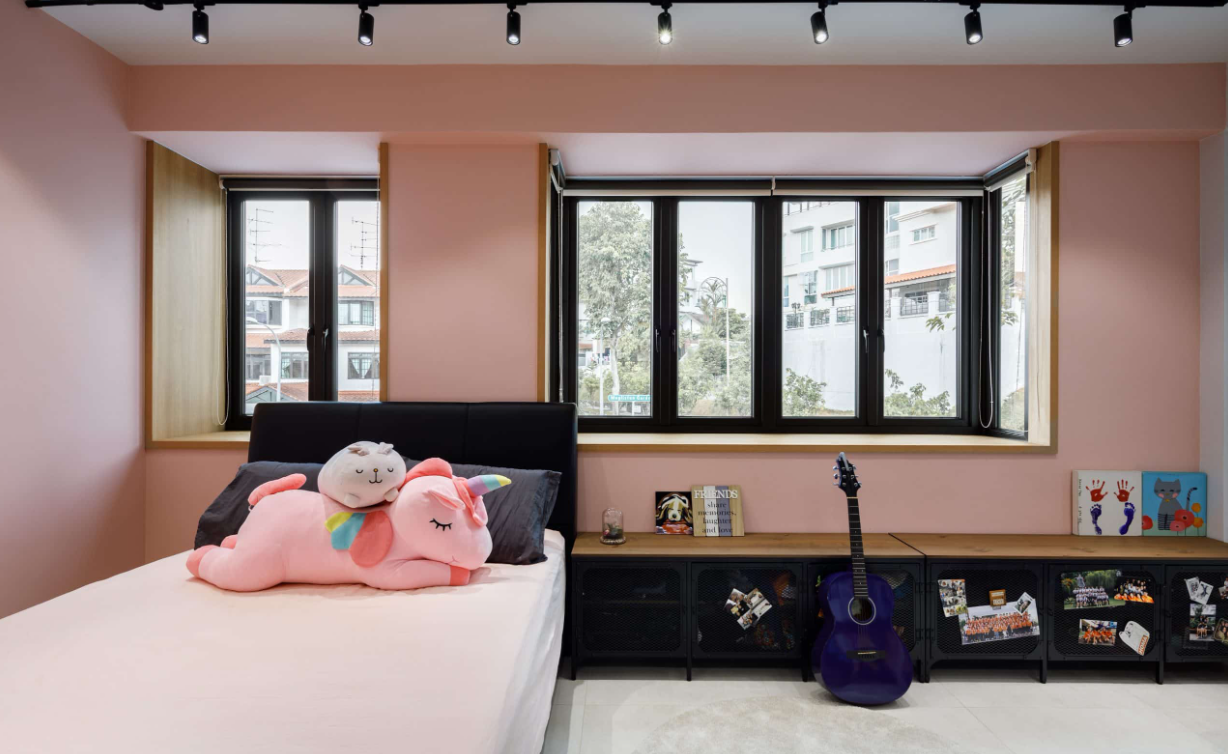
Both materials are built to last. A well-specified, properly installed window in either material will perform reliably for decades. The practical differences come down to what each material demands over time.
uPVC does not corrode, does not require repainting, and holds its appearance with minimal upkeep. It is resistant to Singapore’s humidity and does not degrade under prolonged UV exposure when quality profiles are used.
Aluminium is structurally stronger and handles physical stress well. It is also susceptible to surface oxidation over time if the finish is not maintained, though quality powder-coated finishes significantly extend the service life.
In both cases, installation quality matters as much as material quality. A premium window system installed poorly will underperform a modest one installed correctly.
Cost and Value
The more useful question is not which material costs less, but which material delivers better value for a specific set of priorities.
For designer-led projects where the architect has a vision, professionals often call for ultra-slim aluminium windows, large-format glazing, and a level of finish that reads as considered rather than functional. The aesthetic result justifies the investment for homeowners whose primary goal is visual impact.
uPVC offers strong long-term value for homeowners whose priorities are comfort, acoustic performance, and low maintenance. The upfront cost is competitive, and the reduced maintenance requirement compounds over the life of the window.
Which Should You Choose?
The choice between uPVC and aluminium windows comes down to what the home needs.
Choose aluminium if:
- Slim Frames Are the Priority: You want clean sightlines and a modern architectural look.
- Large Glazing Spans Are Planned: The design calls for oversized panels or floor-to-ceiling openings.
- Aesthetics Lead the Brief: Visual impact is important.
Choose uPVC if:
- Acoustic Comfort Matters: The property faces traffic, construction, or other persistent noise sources.
- Thermal Performance Is a Concern: You want to reduce heat gain and lower reliance on air conditioning.
- Low Maintenance Is Important: You want a window that performs reliably with minimal upkeep over the long term.
The two materials are not in competition. Windows for landed houses in Singapore use both, specifying each where it performs best. Floor-to-ceiling windows may call for aluminium frames, while casement windows in a noise-sensitive bedroom benefit from the soundproofing uPVC provides.
Get in touch with the Sapphire Windows team to discuss which system suits your home and renovation brief.