


The entrance to a home says something. It’s the first thing guests see, the threshold between outside and in, and in contemporary landed homes, the front door has become a design decision as deliberate as the architecture itself.
Pivot doors have emerged as a signature choice. Unlike traditional hinged doors, they rotate on a central axis, with smooth motion, minimal frames, and at scale, an effect that feels architectural.
In this guide, we cover how pivot doors work, where they’re best used, and what to consider if you’re planning to install one.
Pivot Doors Explained: What It Is & How It Works
A pivot door rotates on a vertical axis instead of swinging from side hinges. The pivot hinge system is installed along the width of the door, and this determines where the door rotates.
When the pivot point is positioned slightly inward from the edge, it creates the characteristic “tail” effect. As the door swings, this tail moves inward for an outward-opening door and outward for an inward-opening door.
Brief History of Pivot Doors
Pivot doors are not a recent architectural trend but rather an age-old design that has stood the test of time.
Ancient Origins
The earliest examples appeared in ancient Egypt, Greece, and Rome, where large and heavy doors required stronger support systems than traditional hinges. Early pivot doors used stone pivot points that allowed the door to rotate within sockets in the floor and lintel.
Pivot mechanisms were also used in China during the Tang Dynasty, particularly in large palace gates that needed to support substantial weight. Over time, the design and materials used for pivot doors continued to evolve as architecture developed and construction techniques improved.
Modern Architecture
In more recent history, pivot doors gained prominence during the Modern Movement, embraced by architects like Le Corbusier and Josep Lluís Sert to create free-flowing, open spaces. Early modern pivot doors, however, required subterranean door closers, which needed to be planned during the initial building stages, often complicating the design and installation process.
Today, modern pivot door systems have become far easier to work with. They’ve become a practical option for landed homes, not reserved for grand architectural projects.
What Are the Key Benefits of a Pivot Door?
The growing popularity of pivot doors comes from their unique combination of functionality, flexibility, and aesthetic appeal.
1. Versatility
Pivot doors are incredibly versatile, as they can be installed for a range of interior and exterior applications. From grand, statement-making main entrances to subtle interior partitions or even hidden doors, pivot systems can adapt to various design needs.
2. Minimalist Design
Typically designed without visible hinges or bulky frames, pivot doors offer uninterrupted surfaces that blend seamlessly with walls, cabinetry, or decorative panels, enhancing modern interiors.
3. Spatial Drama and Movement
The rotation around a central or offset axis creates a dynamic visual effect. There’s something almost cinematic about the way a pivot door moves, especially with the tail effect.
4. Structural Capability
Unlike traditional hinged doors, pivot doors can support much larger and heavier panels, including oversized wood, glass, or composite materials. This structural advantage allows designers to create bold entrances and expansive interior openings without compromising on stability or performance.
Where Pivot Doors Can Be Used in Landed Homes
Pivot doors are highly versatile and can be integrated into various areas of a landed home, including:
- Main Entrances: Their larger dimensions and smooth rotation create a striking first impression, elevating the overall curb appeal of your home.
- Veranda, Patios or Balconies: Large glass pivot doors allow natural light to flood your interiors while providing easy access to verandas, patios, or balconies, creating a sense of openness and fluidity.
- Hallways: Use pivot doors to separate spaces without disrupting the flow of your home. Their minimalist design maintains clean lines while providing functional partitioning.
- Bathrooms: Paired with glass panels, pivot doors can create spa-like environments with privacy.
- Room Dividers: Pivot doors can also serve as sophisticated room dividers, providing privacy when needed while maintaining a sense of openness and continuity.
Installation Considerations
Pivot doors require careful planning because the rotation points, weight distribution, and alignment all need to be precise. If you’re considering one, it’s worth involving an architect or interior designer early in the project. They can help determine optimal hinge placement and ensure the door integrates properly with your walls, floors, and ceilings. For advanced systems, professional installation avoids alignment issues and protects your investment.
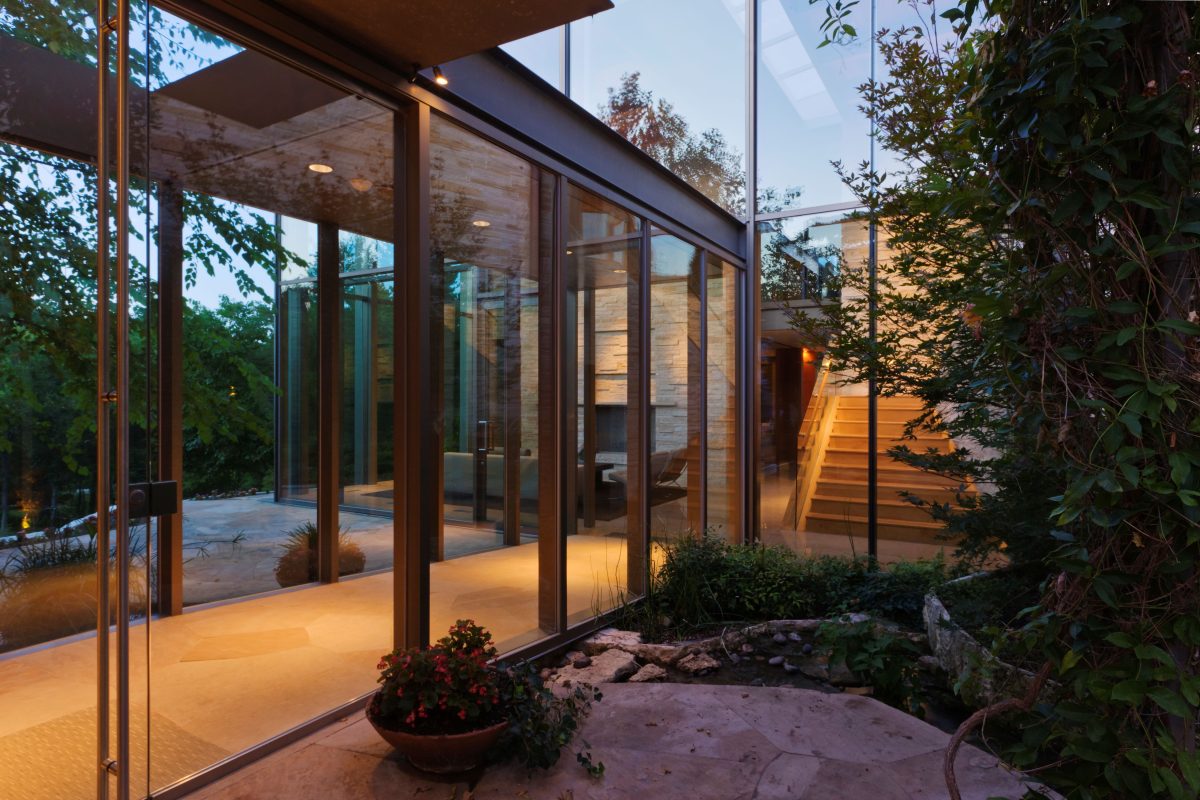
Pivot Door Configurations with the OTIIMA OPEN and PIVOT System
At Sapphire Windows, we offer the OTIIMA OPEN and PIVOT system for homeowners looking for a high-performance pivot door.
Available configurations include:
- Single or Multi-Panel: From a standalone entrance to a wall of pivoting panels.
- Inward or Outward Opening: Choose the swing direction that suits your space.
- Manual or Automated: Motorised pivots offer hands-free operation, with a clutch disengagement feature that lets you switch to manual mode when needed.
Each door can also be mulled to fixed windows or window-walls for facade applications.
Is a Pivot Door Right for Your Project?
If you are looking to install a large, statement-making door in your home or want a unique door solution for a specific area, a pivot door is worth considering.
For homeowners interested in pivot doors, Sapphire Windows provides the OTIIMA OPEN and PIVOT system along with aluminium frame glass doors, and more. As a trusted glass door supplier in Singapore, we provide premium door options and professional installation to ensure your pivot door performs flawlessly while enhancing your home’s overall look.
For more insights into door options for your landed home, check out our guide on the cost of replacing sliding glass doors and how to soundproof your home doors.