


There is a particular kind of exhaustion that comes not from a long day, but from a noisy one. The low rumble of traffic outside your bedroom window. A neighbour’s renovation bleeding through the walls at seven in the morning. Street noise that follows you indoors and refuses to leave. For many homeowners in Singapore, this is simply accepted as the price of living close to the city. It does not have to be.
Before you invest in soundproof doors, acoustic wall panels, or expensive soundproofing treatments, consider this: knowing how to choose the right windows is the first and most effective line of defence against noise. Soundproof windows in Singapore are more accessible than most homeowners realise, and far more effective than retrofitting walls after the fact.
Why Noise Is a Bigger Problem Than Most Homeowners Realise
Landed homes are uniquely exposed. Sitting closer to ground level means sitting closer to traffic, construction sites, and the general rhythm of street life. Unlike apartments, landed properties also have significantly more wall and window surface area open to the elements, giving noise more ways in.
The consequences are real. Chronic noise exposure disrupts sleep, elevates stress, and chips away at concentration over time. Most homeowners only recognise the scale of the problem after moving in, which is precisely why window selection deserves serious attention before any renovation begins.
What Makes a Window Acoustically Effective?
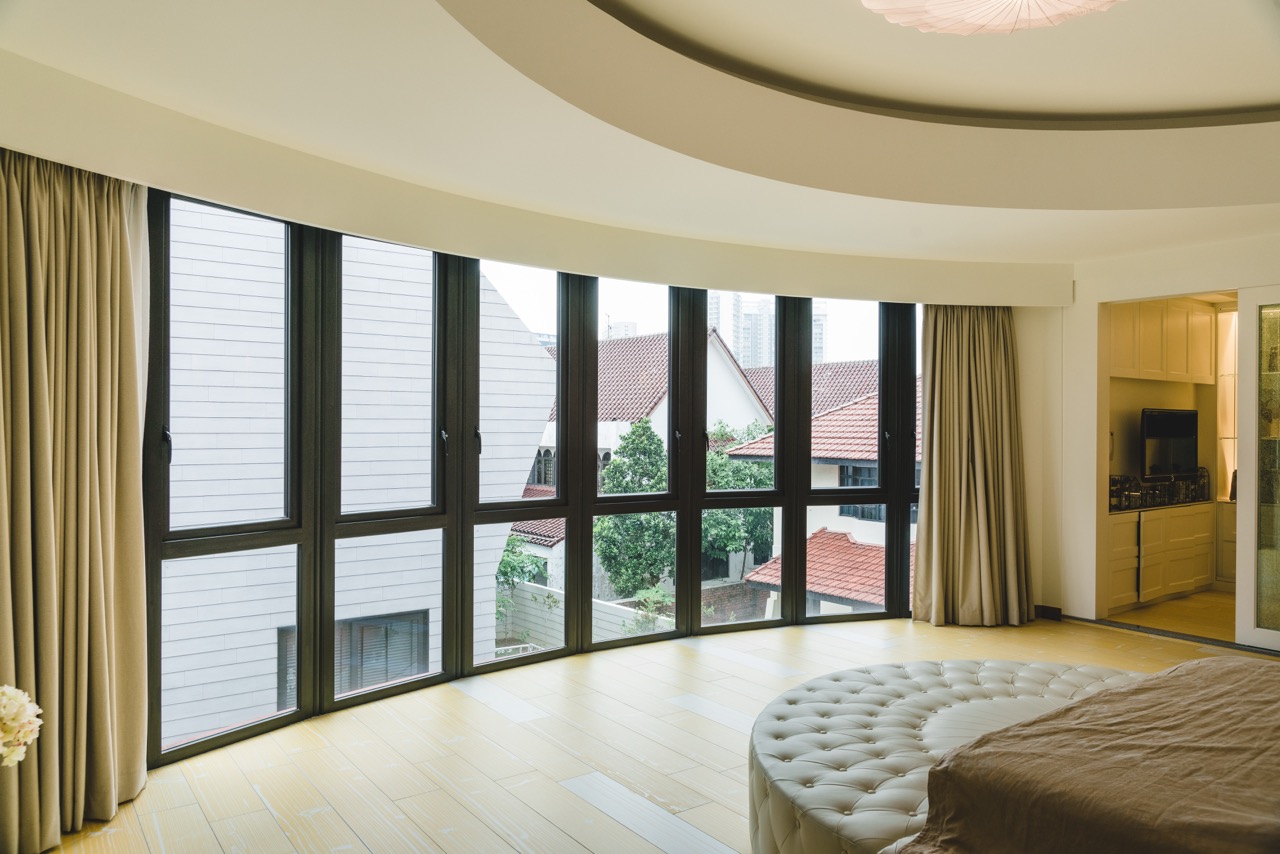
Three things determine how well a window performs against noise.
The first is glass. Thicker glass dampens more sound, but laminated glass does the real acoustic work. A specialised interlayer is bonded between the panes, absorbing vibration before it can travel through. This is what makes laminated glass the most effective option for soundproofing. Double-glazed soundproof windows are often assumed to do the same job, but its strength lies elsewhere. The air cavity between its panes is designed primarily for thermal insulation, not noise reduction.
The second is frame material. Denser frames handle vibration better. UPVC is naturally non-resonant, which gives it a clear acoustic advantage over thinner aluminium profiles. UPVC windows absorb rather than amplify.
The third is sealing. Gaps and weak seals are where most noise enters, regardless of how premium the glass is. Compression seals and multi-point locking systems close off these vulnerabilities effectively, ensuring the window performs as a complete system rather than a collection of parts.
Which Rooms Should You Prioritise?
Start with the master bedroom. Sleep quality is directly tied to acoustic conditions, making this the highest-impact room to upgrade.
Next, consider the home office or study, where concentration and call clarity matter more than ever.
Children’s bedrooms are also worth prioritising; uninterrupted sleep is especially critical for younger children.
Upgrade to Windows Built for Quieter Living
Glass, frame, sealing. These three factors are the benchmark any window should meet before it earns a place in your home. A well-designed home should feel like a sanctuary from the outside world, not an extension of it.
Speak with Sapphire Windows before your next renovation or rebuild. It is a conversation worth having early.