


Strategic window placement is a crucial element of home design and architecture, shaping everything from the flow of natural light to the overall aesthetic appeal. Thoughtfully positioning windows not only enhances the functionality of a space but also the way it looks. Whether you’re building a new home or renovating an existing one, understanding the impact of window placement is key to creating a living space that is both visually stunning and practical.
Understanding the Role of Windows in Architecture
Windows are important elements in a home’s architecture, serving both functional and aesthetic purposes. Beyond providing natural light and ventilation, they can enhance the visual appeal of a space, connect the indoors with the outdoors, and even influence the atmosphere of a room.
In modern home design, the use of various window types helps craft spaces that are bright, open, and inviting while also ensuring energy efficiency and privacy.
Key Considerations for Strategic Window Placement
When planning window placement, there are several factors to consider to achieve the best results in both form and function:
1. Natural Light Optimisation
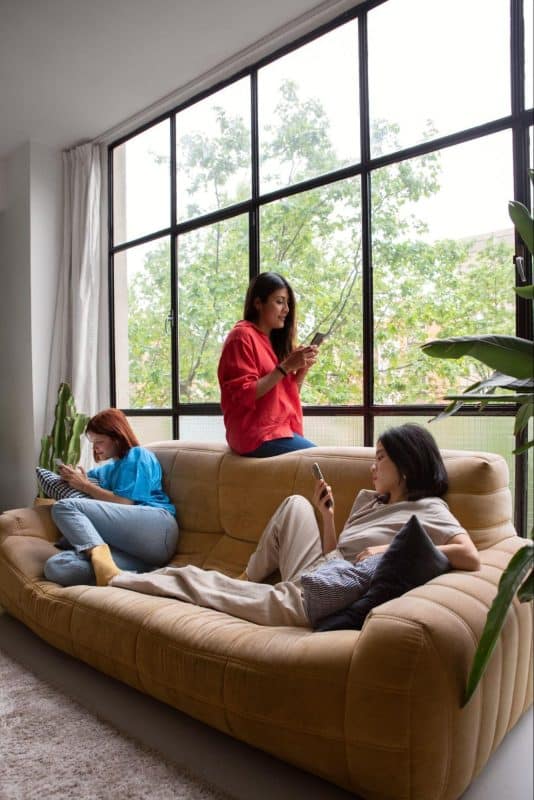
Maximising natural light is one of the primary goals of strategic window placement. The position, size, and type of windows all contribute to how much light enters a room. For example, large frameless or full-height windows are ideal for living areas where abundant daylight is desired, while smaller or clerestory windows can be used in areas where privacy is more important. By considering the path of the sun and the specific lighting needs of each space, your home can naturally be bright and energy-efficient.
2. Enhancing Views
One of the ways to connect the indoors with the outdoors is by framing beautiful views through well-placed windows. Whether it’s a panoramic view of the city skyline or a serene garden, windows that are strategically positioned to capture these sights can significantly enhance the living experience. Picture windows, bay windows, and corner windows are particularly effective in making the most of a home’s surroundings, transforming simple rooms into stunning spaces.
3. Balancing Privacy and Exposure
Achieving the right balance between privacy and exposure is essential in window placement. In urban environments, where homes are often close together, it’s important to have windows that allow natural light in without compromising privacy. This can be done by placing windows higher on the wall, using frosted or tinted glass, or incorporating features like awnings or louvered shutters.
Highlighting Architectural Features with Windows
Windows do more than just provide light and air—they can also be used to accentuate and complement the architectural features of a home.
1. Accentuating Focal Points
Windows can be strategically placed to highlight architectural focal points within a home, such as a piece of artwork or a unique design element. By directing natural light towards these features, windows can draw attention to them, enhancing the overall design of the space.
2. Complementing Structural Elements
Aligning windows with structural elements like beams, columns, or rooflines can create a sense of visual harmony within a home. This alignment helps to integrate the windows into the overall design, making them a cohesive part of the architecture rather than just functional openings.
3. Creating Symmetry and Balance
Symmetrical window placement is key to creating a balanced and aesthetically pleasing façade. When windows are placed symmetrically on either side of a central feature, such as an entryway, they contribute to a sense of order and elegance in the home’s design.
Types of Windows and Their Placement
Choosing the right window type is as important as deciding where to place it. Different window styles offer unique benefits and are suited to various areas of the home.
1. Picture Windows
Picture windows are large, fixed windows that do not open but are designed to frame expansive views and bring in ample natural light. They are ideal for showcasing beautiful outdoor scenery while making the interior feel more open and connected to the outside world. These windows are best placed in living rooms, dining areas, or any space where the view is a focal point.
2. Bay and Bow Windows
Bay and bow windows extend outward from the main walls, creating a sense of dimension and offering additional seating or storage space. These windows also allow light to enter from multiple angles, making rooms feel larger and more open. Living rooms, dining rooms, and master bedrooms can be ideal places to have bay and bow windows. Their placement can also be used to highlight a particular view or to add architectural interest to an otherwise flat façade.
3. Clerestory Windows
Clerestory windows are high windows set close to the roofline that allow light to filter into a room from above. They provide natural light without compromising privacy and are excellent for illuminating central areas of a home. You can find these windows often used in living rooms, kitchens, or hallways where natural light is needed without a direct line of sight from outside. They can also be paired with other windows to create a layered lighting effect.
4. Corner Windows
Corner windows are placed at the meeting point of two walls, offering panoramic views and maximising the amount of light entering the space. This unique placement can make a room feel more expansive and connected to the outside. They are ideal for living rooms, offices, or any area where a wide, unobstructed view is desired and are particularly effective in modern designs that emphasise openness and connectivity with the surroundings.
5. Skylights and Roof Windows
Skylights and roof windows are installed in the ceiling, bringing natural light into the central areas of the home that might not have access to exterior walls. These windows enhance the sense of space and can dramatically improve the ambience of a room. They are perfect for rooms where additional overhead light is beneficial, such as hallways, living rooms, and kitchens.
Enhancing Curb Appeal with Thoughtful Window Placement
Strategic window placement enhances not only the interior of a home but also its curb appeal. There are key factors you need to consider to have windows that complement and elevate the exterior appearance of your home.
1. Facade Design
The arrangement and style of windows are integral to the overall design and appeal of a home’s façade. Thoughtfully positioned windows can break up large, monotonous expanses of walls, creating rhythm and movement in the design. For example, a series of evenly spaced, vertically aligned windows can lend a sense of structure and symmetry to the exterior, while asymmetrical or grouped windows can add a modern, dynamic element.
Moreover, the choice of window style—whether frameless windows for a contemporary look or traditional double-hung windows for a classic feel—can further define the architectural character of the home.
2. Proportion and Scale
The proportion and scale of windows in relation to the home’s overall design are critical for achieving a balanced and harmonious exterior. Large windows, for example, can make a smaller home appear more grand and spacious by opening up the façade and allowing more light to penetrate the interior. In contrast, smaller windows can be strategically placed to add charm and detail to the design, particularly in traditional or cottage-style homes.
The key is to ensure that the size of the windows is in proportion to the wall space they occupy. Overly large or small windows can disrupt the visual balance and make the home appear awkward or disproportionate.
Practical Tips for Planning Window Placement
Here are practical tips to guide you in determining the right placement for your home windows:
1. Consider the Home’s Orientation
A home’s orientation relative to the sun is a critical factor in window placement, especially in a tropical climate. Understanding how sunlight interacts with different parts of your home throughout the day allows you to position windows in a way that maximises natural light while minimising unwanted heat gain.
- South-Facing Windows: South-facing windows will receive the most direct sunlight throughout the day. While this can be advantageous if you like natural light for your home, it can also lead to excessive heat during warmer days. To mitigate this, consider incorporating shading elements such as overhangs or tinted glass. These features can help control how much sunlight enters the home, reducing the need for artificial cooling and thus improving energy efficiency.
- East and West-Facing Windows: East-facing windows capture the soft, warm light of the morning sun, making them ideal for spaces like bedrooms and kitchens. West-facing windows, on the other hand, are exposed to the harsher afternoon sun, which can cause overheating. In these cases, window treatments like blinds or curtains and strategic landscaping can help manage sunlight exposure.
- North-Facing Windows: North-facing windows offer consistent, diffused light throughout the day without direct exposure to the sun’s harsh rays. This makes them perfect for spaces where you want steady, natural lighting, such as living rooms or home offices.
2. Work with an Architect or Designer
Working with an architect or interior designer can help ensure that window placement enhances the home’s architecture while meeting the functional needs of the occupants. Professionals can provide insights into the best window types and placements to optimise the natural light, views, and energy efficiency of your home windows.
Master the Art of Window Placement with Sapphire Windows
When it comes to mastering the art of window placement, having the right guidance and expertise can make all the difference. At Sapphire Windows, we go beyond just helping you choose the perfect window designs—we work closely with you to ensure that each window is strategically placed to maximise natural light, enhance views, and complement the architectural integrity of your home. Our team of window specialists is dedicated to understanding your unique vision and needs, providing tailored solutions that not only enhance the look of your space but also improve its functionality and energy efficiency.
Get more insight into windows with our guide on how modern insulated windows keep your home cool and what window styles fit modern residences and commercial spaces.